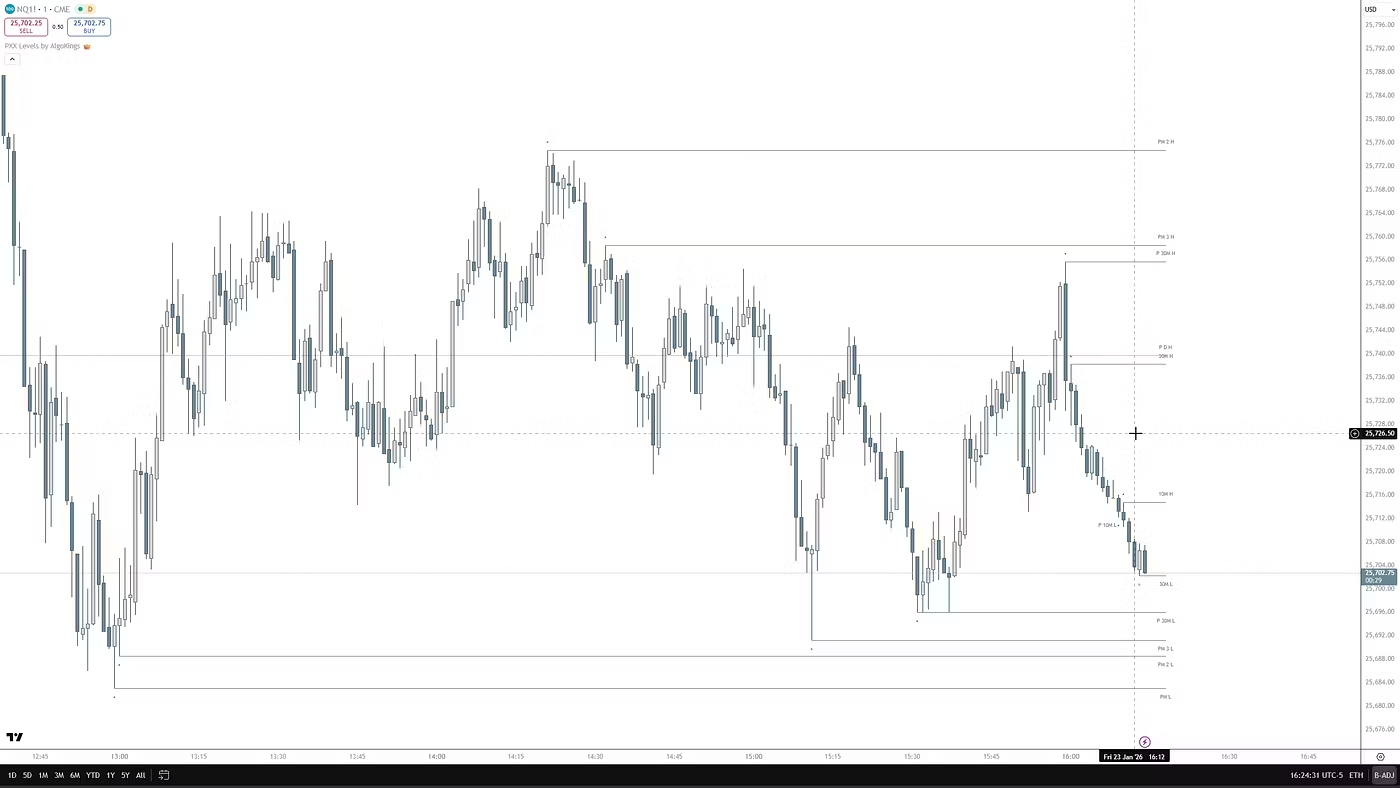
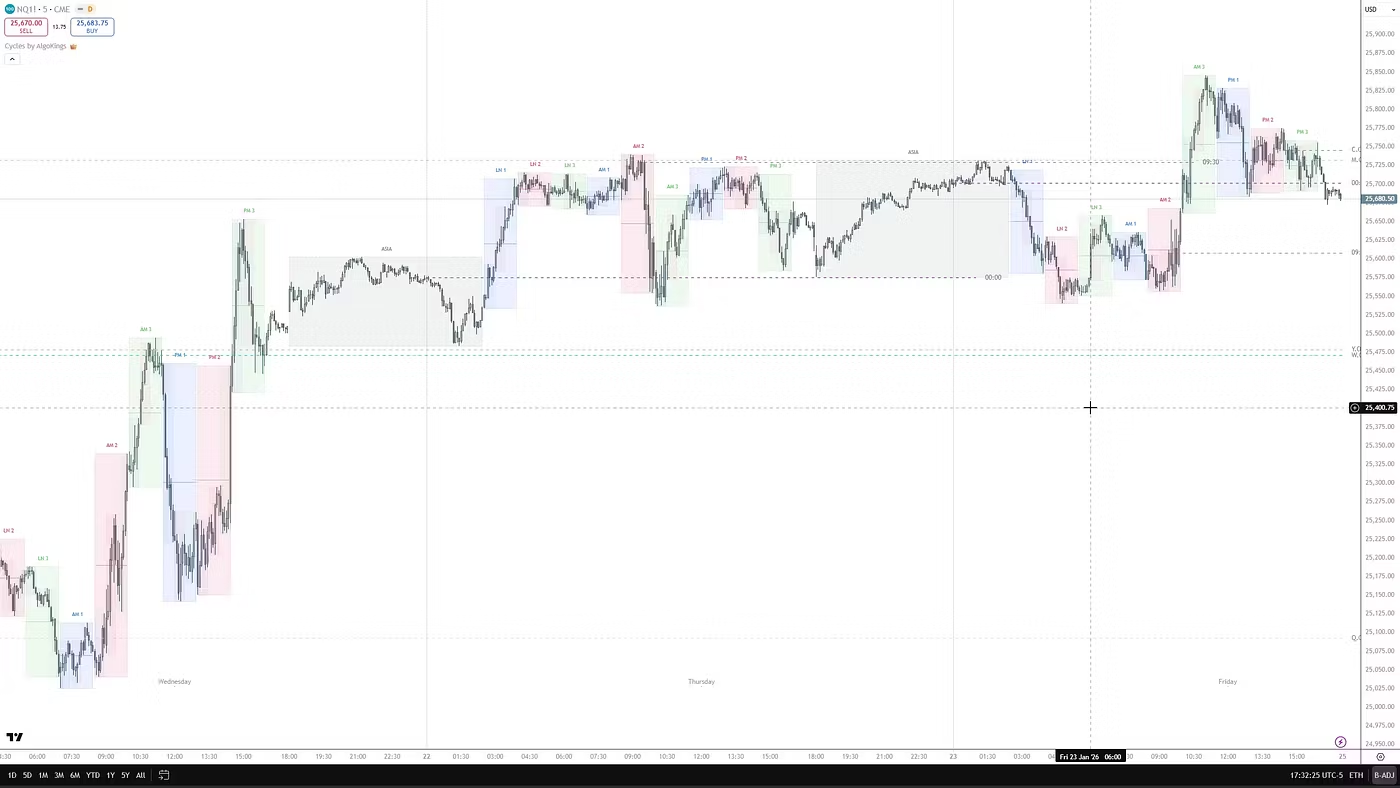
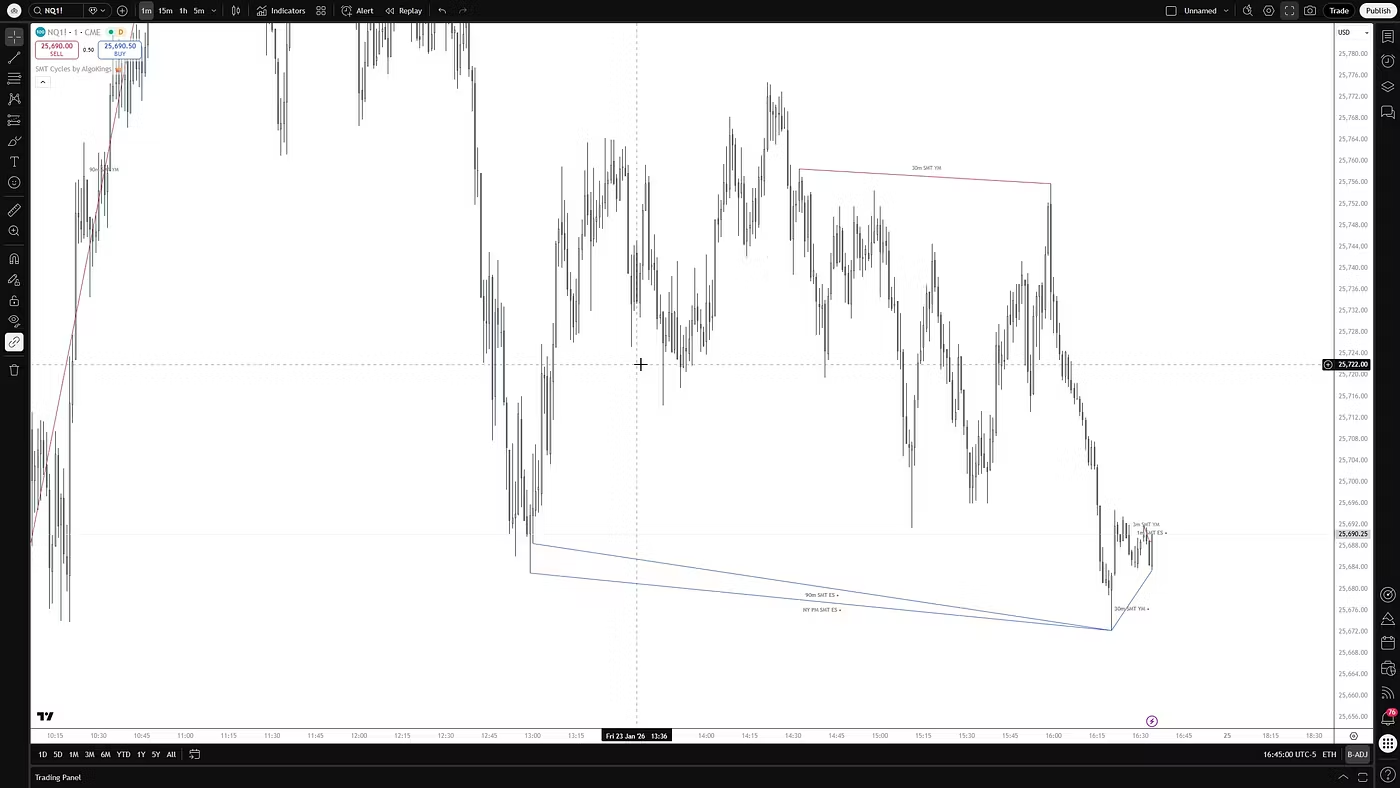
Liquidity Sweeps & Stop Runs Explained
A liquidity sweep (or stop run) is when price spikes through an old high or low to trigger the stop orders resting there, then reverses — one of the clearest ways institutions fill large positions before the real move.
Where liquidity sits
Clusters of stop orders rest just above old highs (buy-side liquidity) and just below old lows (sell-side liquidity). Because large players need that liquidity to fill, price is often drawn to these levels before turning.
How to trade a sweep
- Mark recent swing highs and lows where liquidity likely rests.
- Watch for a quick spike through the level that fails to hold (the sweep).
- Look for a change of character back the other way, then enter on a return to an order block or fair value gap.
- Place risk beyond the sweep's extreme.
Sweep vs breakout
A genuine breakout holds beyond the level and continues; a sweep pierces it briefly and reverses. Telling them apart is where structure and timing tools help.
Frequently asked questions
What is a liquidity sweep?
A liquidity sweep is when price briefly spikes through an old high or low to trigger resting stop orders, then reverses — a sign that institutions have taken the liquidity they needed.
What is the difference between a stop run and a breakout?
A breakout holds beyond a level and continues; a stop run (sweep) pierces it briefly and reverses. Confirmation like a change of character helps distinguish them.
What is buy-side and sell-side liquidity?
Buy-side liquidity is the stop orders above old highs; sell-side liquidity is the stops below old lows. Price often seeks these pools before a real move.
Risk disclosure
AlgoKings provides technical analysis indicators and educational material for informational purposes only. Nothing on this website is financial, investment or trading advice. Trading financial instruments carries a high level of risk and may not be suitable for every investor; you can lose some or all of your capital. Indicators do not predict future price movements and do not guarantee any outcome. You are solely responsible for your own trading decisions and risk management. Past performance is not indicative of future results.