Order Blocks Explained: How to Spot and Trade Them
An order block is the last opposing candle before a strong, structure-breaking move — a footprint of where institutions likely placed large orders. Traders watch for price to return to these zones to join the original move.
How to identify an order block
Find a move that broke market structure. The last down candle before a strong rally is a bullish order block; the last up candle before a strong sell-off is a bearish order block. The candle's range marks the zone institutions are likely to defend.
How traders use order blocks
- Wait for price to return to the order block in the direction of the broader trend.
- Look for confirmation — a reaction, a shift in lower-timeframe structure, or an unfilled fair value gap nearby.
- Define risk just beyond the order block, where the idea is invalidated.
Order block vs fair value gap
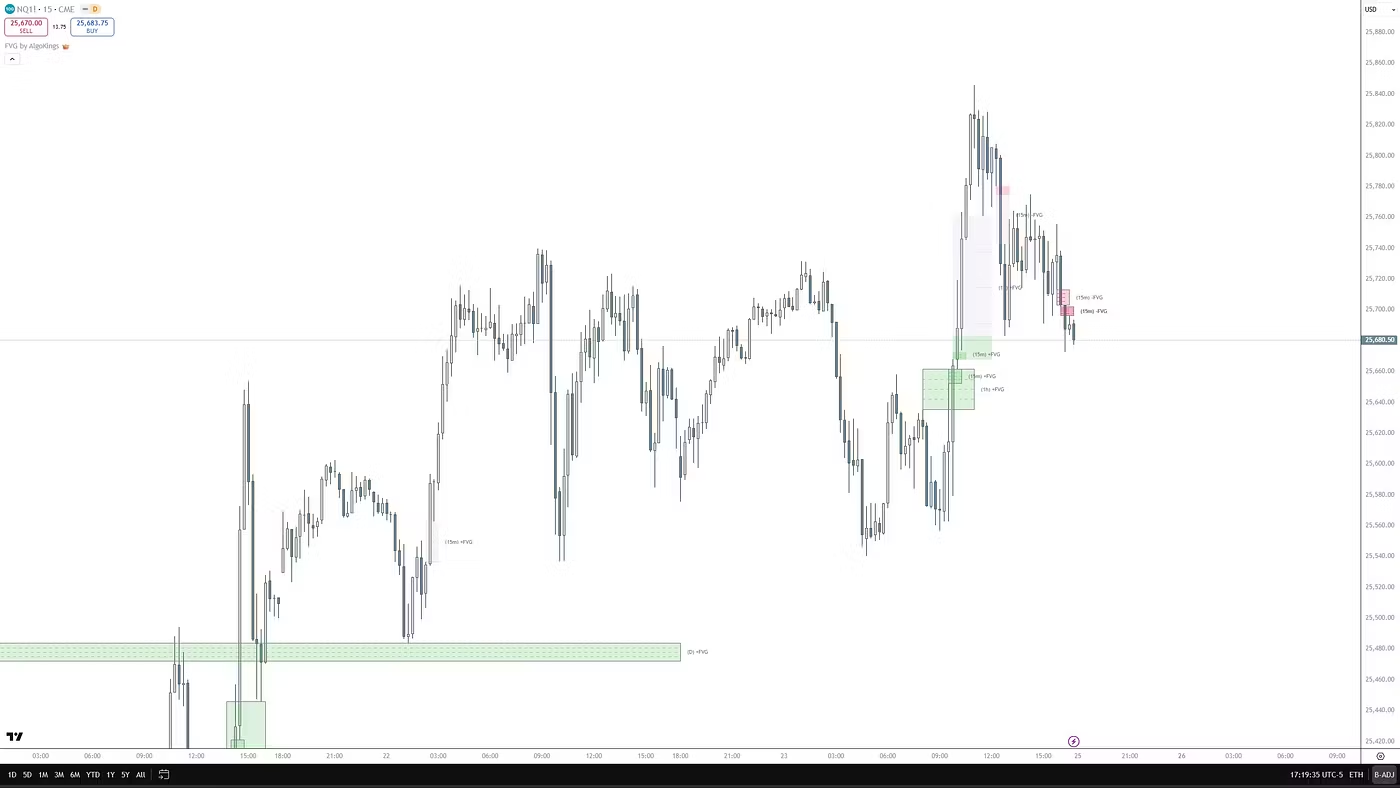
They're complementary. The order block is the candle that originated the move; the fair value gap is the imbalance the move left behind. Order blocks that line up with an unmitigated fair value gap are often higher-quality zones.
Frequently asked questions
What is an order block in trading?
An order block is the last opposing candle before a strong, structure-breaking move — a zone where institutions likely positioned, which price often returns to before continuing.
How do you trade order blocks?
Traders wait for price to return to an order block in the direction of the trend, look for confirmation, and define risk just beyond the zone. They are context, not a guaranteed signal.
Are order blocks the same as supply and demand zones?
They're closely related. Order blocks are a more specific, structure-based version of supply/demand zones, tied to the candle that caused a break of structure.
Risk disclosure
AlgoKings provides technical analysis indicators and educational material for informational purposes only. Nothing on this website is financial, investment or trading advice. Trading financial instruments carries a high level of risk and may not be suitable for every investor; you can lose some or all of your capital. Indicators do not predict future price movements and do not guarantee any outcome. You are solely responsible for your own trading decisions and risk management. Past performance is not indicative of future results.